



Happy World Tourism Day 2024!
As we once again celebrate World Tourism Day this September 27, the UN Tourism has set the theme for this year as “Tourism and Peace,” where tourism is more relevant now in playing a role in the world’s continued pursuit for peace. Based on the organization’s concept note for the theme, we feature some of our initiatives
In photo: Apao Rolling Hills in Tineg, Abra
In connection to ‘Harmony/Respect,’:
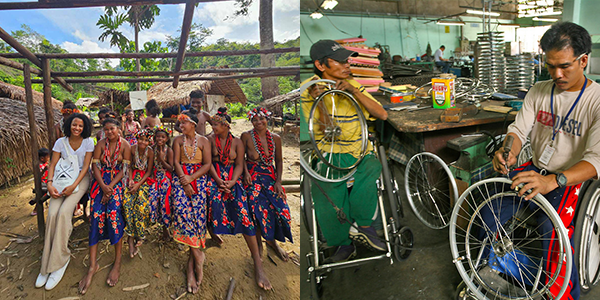
Being in a position to create memorable experiences, and to connect people together, we value encounters that harness mutual respect and recognition for cultures and people from different walks of life. Such is the goal for our Batak Tribe Cultural Tour which honors the traditions of the tribe, and to enable them to have more opportunities in our fast-paced society. Another program is our Tahanang Walang Hagdan (House with no Steps) visit that recognizes persons with disability, and creates an awareness and empowers them by supporting their livelihood programs.
Tourism as an instrument for peace needs to be peace-sensitive and needs to be understood from both– the suppliers and consumer´s side- not as an isolated peace strategy, but as part of social transformation towards a culture of peace:
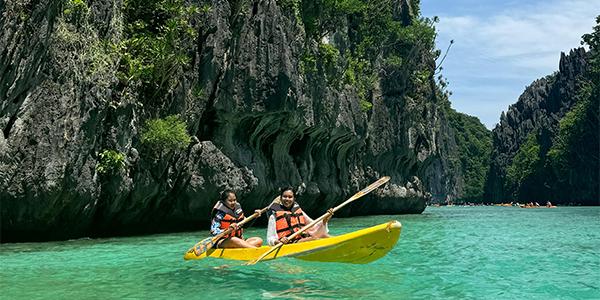
While familiarization trips or tours are a common practice to tourism organizations for product update and to gather more knowledge on a destination, the trips are also a way to align both the suppliers and consumers, and to inform both sides in order to create a cohesive strategy that will be beneficial to both parties. To us, this practice is not just advantageous for business but it also creates a notion of shared understanding that enables shifts in minds and in ways.
(Above title is an excerpt from UN Tourism’s World Tourism Day 2024 Concept Note)
A peace-sensitive tourism is aware of the economic and social forces and thus social responsibility:
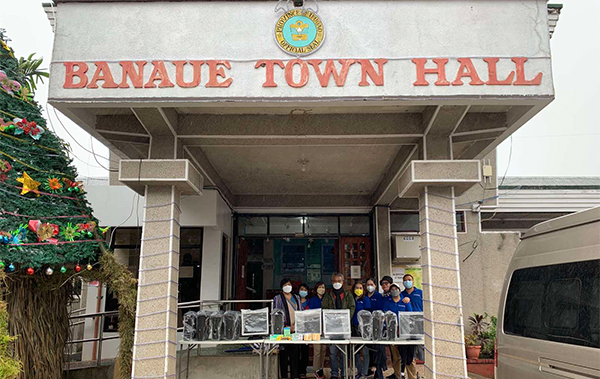
To quote Uncle Ben from Spiderman, “With great power comes great responsibility,” and this duty we must assume. We strive to be continuously mindful and aware, and to regularly conduct projects on social responsibilities. This includes creating programs or partnering with organizations that enable communities to be self-sustaining, or by directly coordinating with organizations that allows us to give back and to serve people or the environment.