


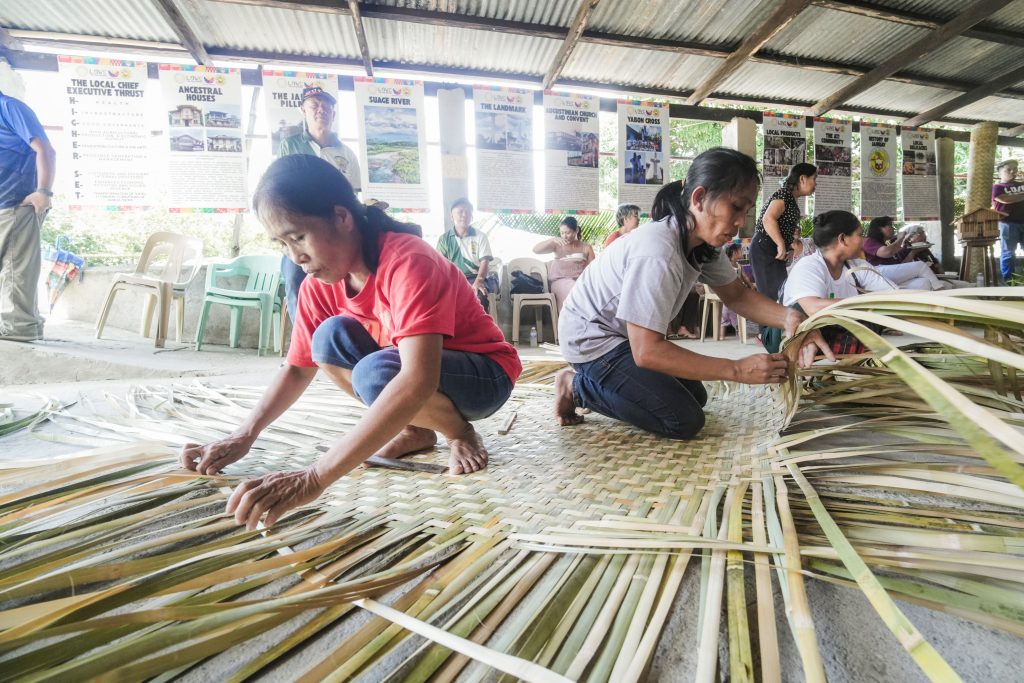
In photo: Panay-Bukidnon Tribe of Brgy. Quipot in Janiuay, Iloilo
Photo courtesy of the Tourism Promotions Board
Every October, the Philippines celebrates the National Indigenous Peoples’ months, allowing for the recognition, promotion, and protection of communities, and for their culture to flourish. Being a culturally-diverse country, the Philippines is home to 10 million and more individuals belonging and identifying as an indigenous people. This month, we also honor them as our forebearers, upholding their culture and traditions:
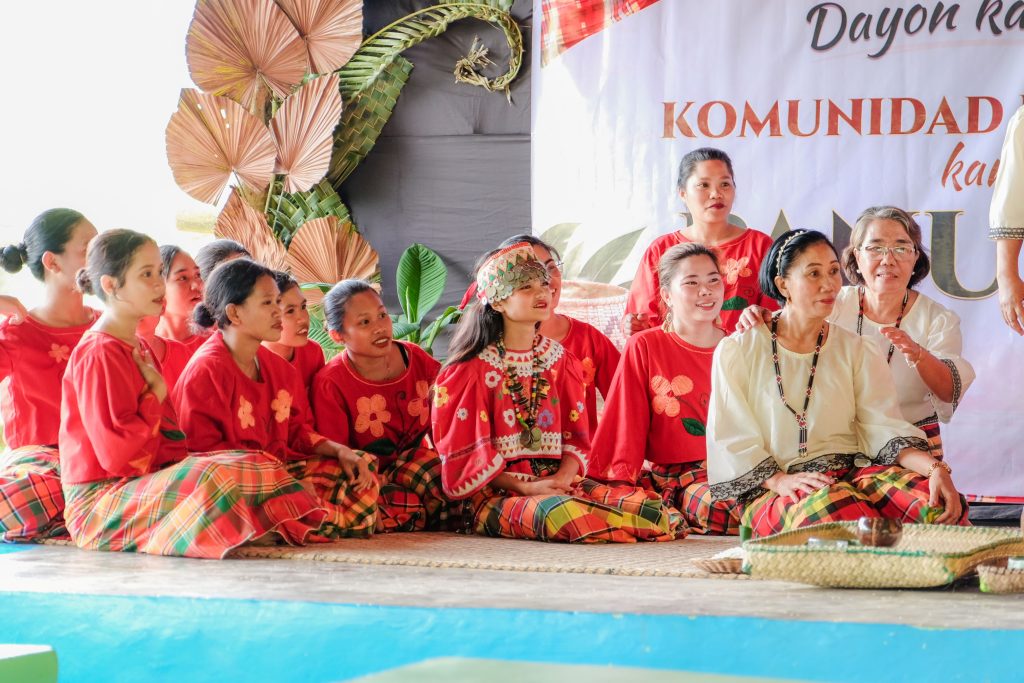
Photo courtesy of the Tourism Promotions Board
The Tamundok (Panay Bukidnon) community of Brgy. Panuran in Lambunao, Iloilo
The Panay Bukidnon also known as the Tumandok, is an indigenous community which calls the Barangay Panuran in Lambunao, Iloilo their home. The barangay is located in an upland portion of Lambunao, and are proud makers of the Patadyong (a traditional garb of the Panay Bukidnons), Panubok (a hand-embroidery art of the community), and crafts made from bamboo, nito, rattan and coconut shells. These people are one of the tribes that practice the “Binukot” or a cultural practice that secludes a young woman from the public which creates a higher value on the woman for marriage prospects in the future. The woman has been kept from the public eye since childhood; the practice is still continued until today which began in the pre-Hispanic era of the Philippines. The Tamundoks in Brgy. Panuran is also one of the mountain villages and indigenous communities in Iloilo that has a School of Living Traditions–allowing for their cultural practices such as crafts, music, and rituals to be preserved and to be passed on to the younger generation.
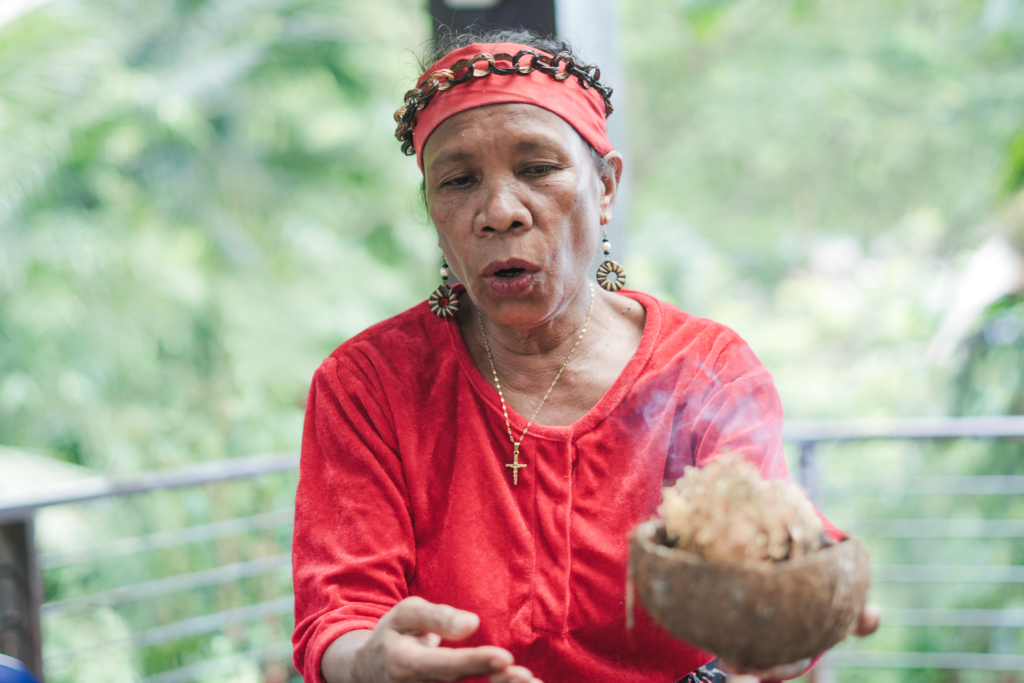
Photo courtesy of the Tourism Promotions Board
The Ati Community in Sitio Nagpana, Brgy. Lipata in Barotac Viejo, Iloilo
Located in Sitio Nagpana in Brgy. Lipata, Barotac Viejo in Iloilo, which is a good 1hour and 30mins drive away from Iloilo City, is where the Ati Indigenous Peoples can be found. The sitio is also where the famous Nagpana Falls in Iloilo can be found which provides the community clean water, and food such as crabs and chili. The community, through the Ati Civil Reservation law in 1986, was granted Sitio Nagpana as their home. The community’s main livelihood are planting fruits and vegetables, handicrafts, and coffee production. One of the Ati IP’s unique traditions is the Pag-uli Tingub Festival where they show different activities in the community such as archery, traditional dances, and cooking.
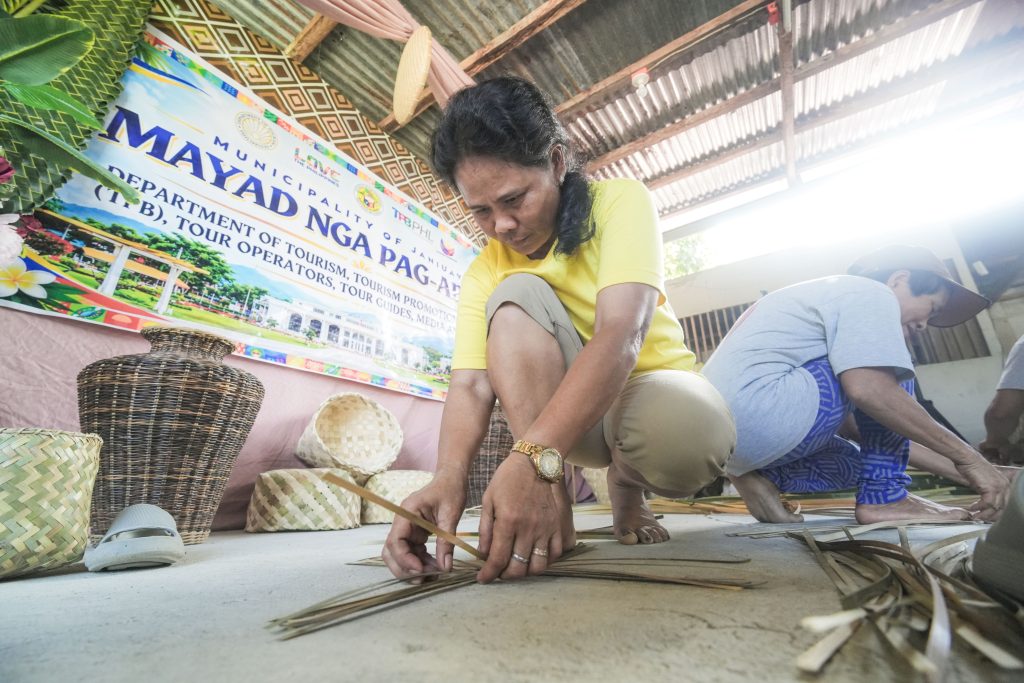
Photo courtesy of the Tourism Promotions Board
The Panay Bukidnon community of Brgy. Quipot in Janiuay, Iloilo
Located in the highland area of Janiuay, the Panay Bukidnon indigenous community in Brgy. Quipot are people that may be gentle in nature, but are truly titans in their craft as they are rich in culture, tradition, and artistry. Their home is surrounded by the Suage and Magapa Rivers which support their livelihoods focused on agriculture such as rice, corn, and sugar production. This community is also proud of their heritage in Bamboo Weaving, and its weavers are called “Manugrara,” or an artisan who handcrafts practical household tools from woven bamboo strips. This heritage craft is now being passed on to the younger generation in the hopes of maintaining and protecting a part of their culture.
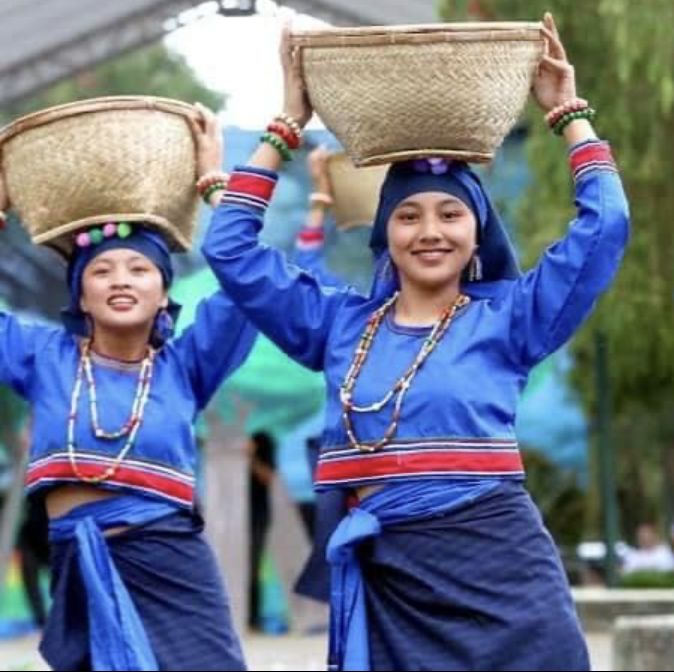
Photo retrieved from Pinterest.com
The Isneg Community of Apayao
The Isneg indigenous people, also known as the Isnag or Apayao is an ethnic group native to the province of Apayao. They are also referred to as the People of the River. The Apayao may also refer to the river which runs through the said province and Cagayan. With this, the Isneg are considered sailors and boat builders, being the navigators of the said river in the Cordilleras. The community speaks the Isnag language, but nowadays, many also speak Ilocano, English, and Tagalog. Similar to other indigenous communities in the Cordilleras, the Isneg are also rice and root crop cultivators, and also have farming, fishing, and hunting as part of their livelihoods. They are also believers of the spiritual world where ancestral and nature spirits watch over their land.
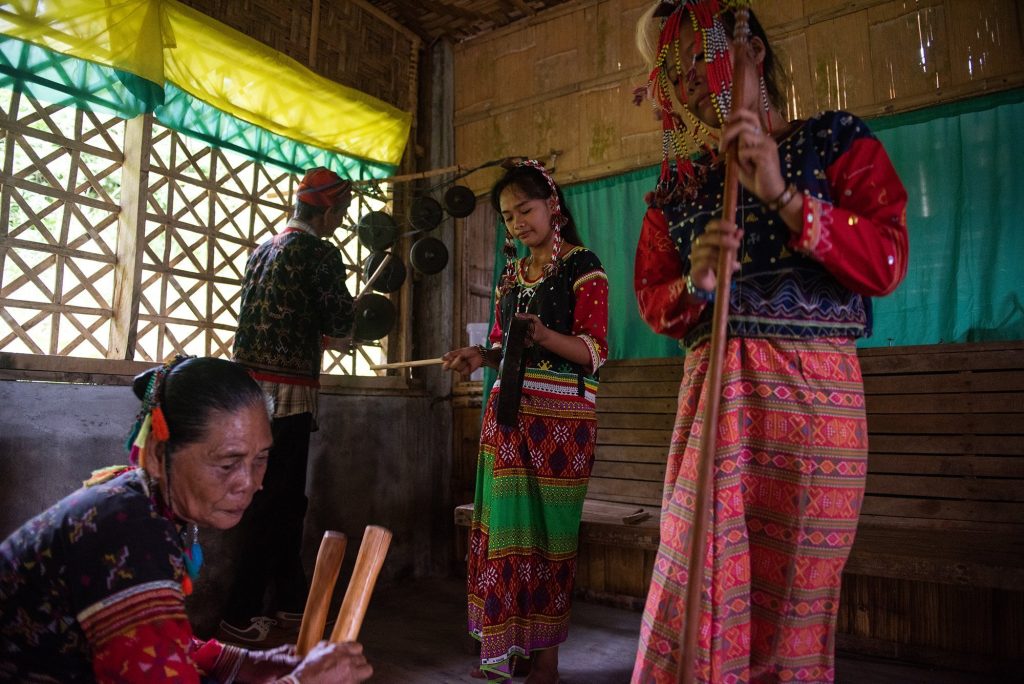
Photo retrieved from jacobimages.com
The Lumad Community in Mindanao
The Lumad has the largest indigenous population in the Philippines, hailing mostly from Mindanao who are non-Muslims and non-Christians, with their culture centered on sustainable ecology-based heritage. The Lumad is also a Visayan word which means “born from the earth” or “native”. There are at least 18 major Lumad ethnolinguistic groups who inhabit diverse environments in Mindanao from the highlands and forests, to coastal areas and lowlands. Some of the well-known Lumad tribes are the T’boli, Subanen, and Manobo, among others. These tribes are renowned for their bead works and embroidery, which are strongly being preserved and passed down through generations. The term Lumad is said to have come from the communities’ political awakening during the martial law where the indigenous minorities sought to free themselves from the derogatory labels attributed to them.