


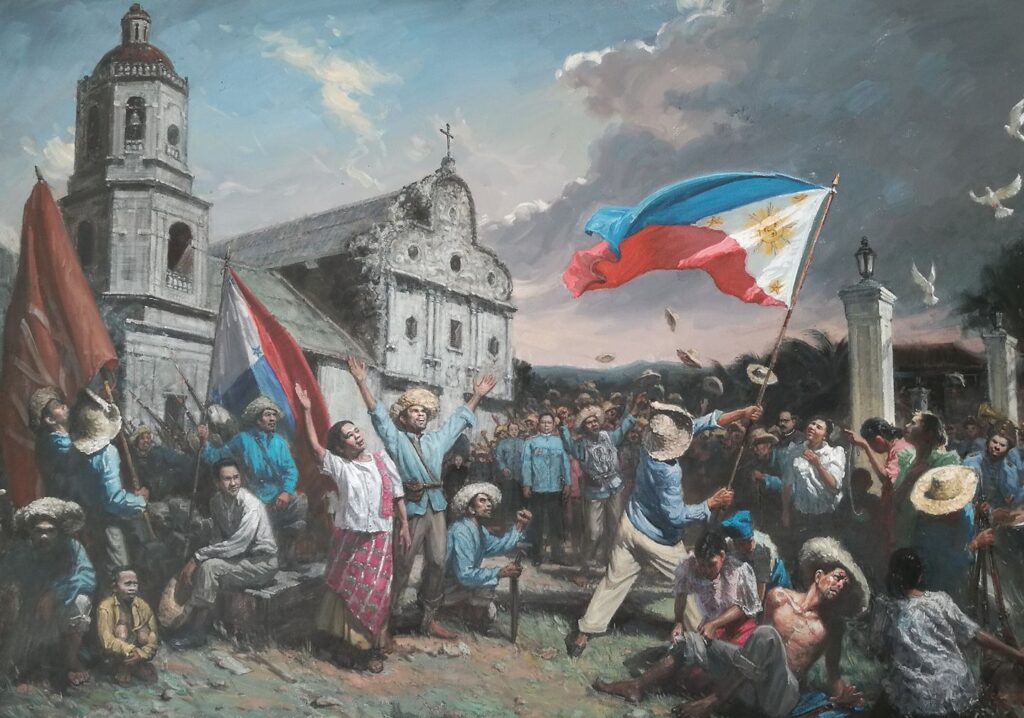
Payabungin ang mga pamana sa atin! (Let us make our heritage thrive!)
This month, we highlight what our ancestors had left us, their future generations: the tradition, way of life, and visual representations that make us what we are, and how we are and should maintain them.
Header Painting: Victory of Cebu Revolution by Felix Catarata (retrieved from Former Senator Pia Cayetano’s Facebook Page)
PHILIPPINE HERITAGE, CULTURE, AND ARTS
In recent years, the Philippines has seen a rising action from its people towards the preservation of cultural heritage sites, artifacts, and etc, especially ones that are “built heritage” or architectural structures. As a country with multiple influences due to colonization, the culture taught by our ancestors seems to be diminishing, hence, the movement of preserving and conserving the same. Check out some of the experiences and/or products that the Philippines boasts of which exudes the country’s identity.
One of the many facets of tourism and an ever-evolving landscape, culture is one of the many things passed down to us usually through traditions. Albeit slow, tourism sustainability is moving forth in the Philippines– an example of which is the preservation of the Philippine heritage, arts, and culture through education and movements by various organizations. Below are some of the samples here in the Philippines:
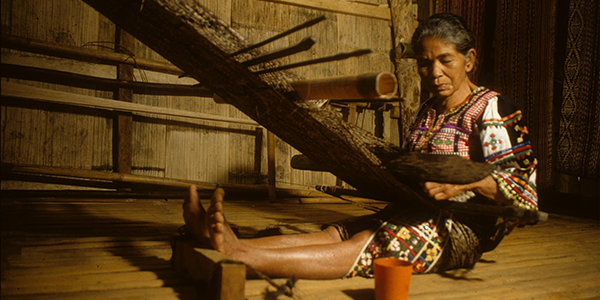
Photo retrieved from Rustan’s Facebook Page
– Salinta Monon Weaving Center in Davao – Preserving the art of the Bagobo Abaca Ikat weaving called Inabal, the Salinta Monon Weaving Center showcases the culture and traditions of the Bagobo-Tagabawa tribe who has the foot of Mt. Apo as their own. The center is named after one of the National Living Treasures of the Philippines, Salinta Monon.
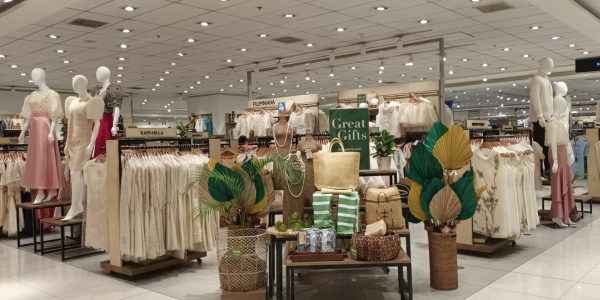
-The emergence of the modern Filipiniana – Contemporary designers have taken out the terno (one of the many forms of the Filipiniana/the Tagalog national wear) out of the baul (treasure box), and have transformed it to adapt the current fashion setting in the Philippines. Many are available as RTWs which the regular masses have to thank you for since before, ternos can only be bought sometimes through made to orders by a designer.
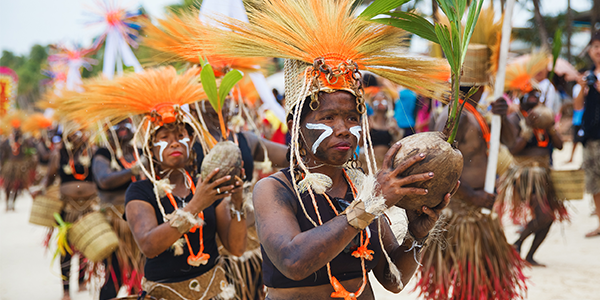
-Ati-atihan Festival in Aklan – One of the most well-known festivals in the Philippines, the Ati-atihan is a celebration in honor of the Infant Jesus who is the patron of Kalibo in Aklan. The participants in the procession smear themselves with soot to darken the skin, and are dressed up with tribal clothing to mimic the aboriginal natives of Aklan called the Atis, where the name of the festival also got its name from.
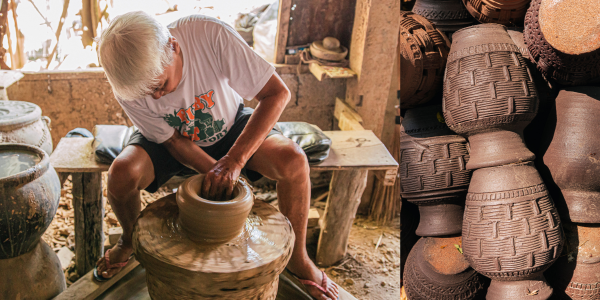
-Pagburnayan in Vigan City, Ilocos Sur – The art of Burnay jar pottery had been around in the Philippines even before the Spanish colonization. The pottery method came to be when the Chinese merchants from the 16th century who traded with Vigan natives saw the potential of the clay in the western parts of the city, which introduced the craft of said jar making. To date, Pagburnayan supplies a number of businesses for their winemaking and garden needs. Tourists also flock the village to experience the craft.
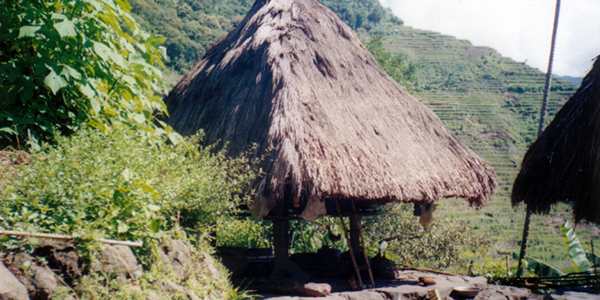
Photo retrieved from Wikimedia Commons

-Ifugao Culture: Baluy Houses and Pahang – Restoration efforts to preserve the traditional Ifugao Hut or the Baluy arebeing led by the Batad Kadangyan Ethnic Lodges Project. These houses are blessed with the olden-age ritual of the Ifugao called the Pahang. The elders from the villages however lamented the lack of younger Ifugao-nons who would perform the rites as most have converted to other religions. For an economically sustainable way of maintaining the Baluy Houses, the Project recommended to the house owners to host tourists since tourism benefits from their village. To date, they have assisted 12 houses so far for the restoration.