


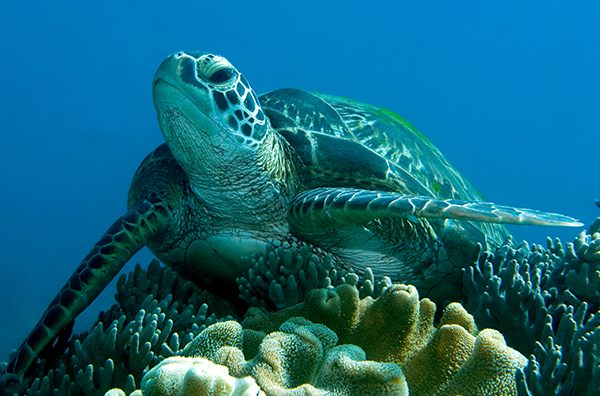
Summer is already within our reach, and what better way to begin this season by gearing up for the best time to dive! We feature some of the best dive destinations in the Philippines this month, along with some organizations that aid in preserving and sustaining marine life in the country.
Ticao Island, Masbate Province, Bicol Region
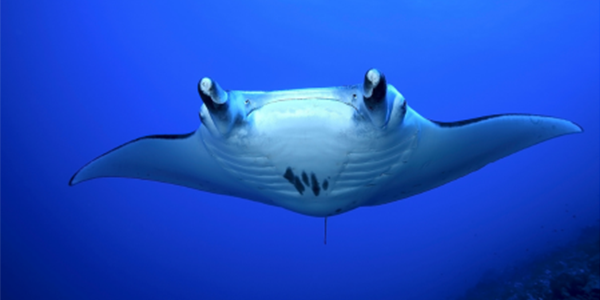
Every diver has got a bucket list to complete, and one of those would be seeing a Manta Ray in the flesh. Worry not as Ticao Island’s got you covered. Although an island that’s slowly getting traction from fans of whale shark watching and diving with the giants, the island is still an off the beaten path due to its proximity from the main island of Masbate and Bicol Region, but we promise you that the trip is very worth it. Do not forget to schedule your trip accordingly if you want an encounter; the best time to visit is from March to October, but November to February is also part of the Whale Shark season albeit not having the best weather.
Sogod Bay, Leyte
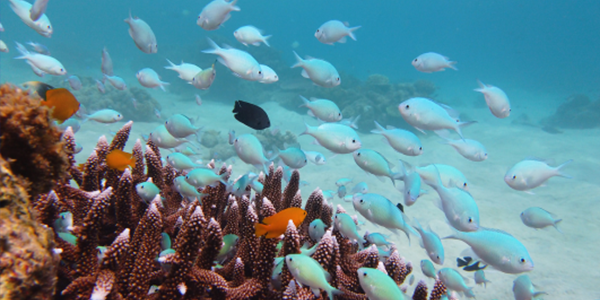
While Leyte is famous for its historical significance, with General Douglas McArthur’s reconquest of the Philippines during the WWII in Palo Beach, diving in Leyte could be missed by some. But avid scuba divers in the Philippines would always say that diving in Southern Leyte is one for the books. With over 20+ dive sites, and some being Marine Protected Areas (MPA), the area is truly abundant with colorful marine species especially due to the no fishing policy in some sites. Enjoy identifying macro life up to the big ones– from nudibranchs to Whale Sharks. You may dive in the area all year round, but March to July has the best general weather conditions and visibility.
Apo Reef, Mindoro
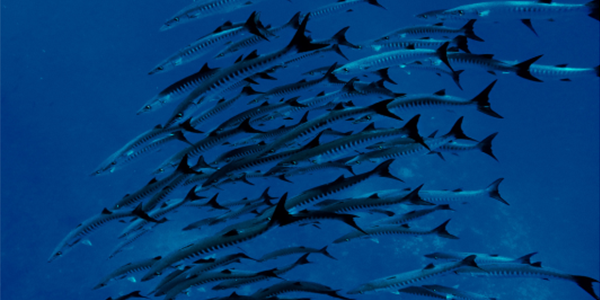
Not to be confused with Apo Island in Negros Oriental, Apo Reef Natural Park in Mindoro is the largest atoll-like reef in the Philippines with its main geographical features being submergedin water. It is characterized by triangular atoll-like reefs with a fine, white sandy bottom. It is divided by a narrow lagoon with a mangrove forest, and is populated by 200+ marine species including mantas, sharks, and jacks. Apart from the teeming aquatic life, the island is also a key area for migratory birds, which are included in the recorded 100 bird species in Apo as of last January 2022. Apo Reef is accessible from Manila through San Jose, Mindoro via a plane ride. Afterwards, one may take a van ride to Sablayan for the boats going to Apo Reef. One may also take the Coron, Palawan route to Apo Reef, or through private yachts or boats.
Tubbataha Reefs, Palawan
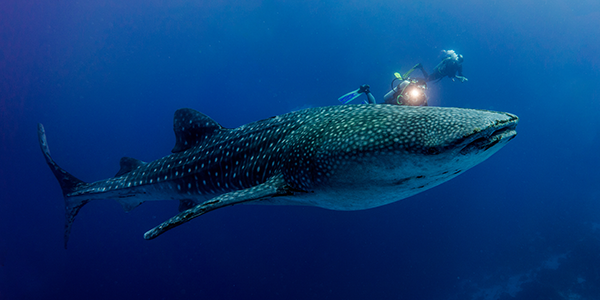
Tubbataha Reefs is a UNESCO World Heritage Marine Park located in Palawan, Philippines. It is at the heart of the coral triangle, which is the world’s center of marine biodiversity. It is the largest marine protected area in the country, and has strict enforcement of a “no-take” zone. To be able to dive in Tubbataha, one must ride in a liveaboard, and be prepared to marvel in the ocean’s natural beauty for almost a week. The Tubbataha Management Office accredits the liveaboards that go in Tubbataha to ensure that necessary permits are acquired; apart from this, the liveaboards also aid said office in the conservation of the marine park. The reef ecosystem has over 360 species of coral, and almost 700 species of fish. Diving season in Tubbataha is only from March to June of each year as these are the months when the sky and sea are calm.
Anilao, Mabini, Batangas
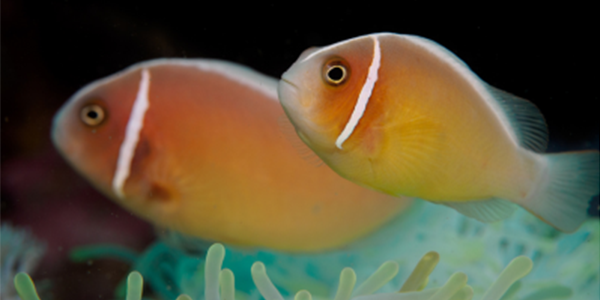
The birthplace of diving in the Philippines, and the most accessible dive destination from Manila, Anilao in Mabini, Batangas is famous for being a best spot for underwater macro photography. Vibrant and colorful critters and nudibranchs can be observed in this destination, along with Blue-ringed Octopuses, Bobbit Worms, Barracudas, Jacks, and occasional sightings of Reef Sharks. A pod of dolphins can sometimes also be seen during mornings. Anilao has 75 dive sites including spots that are best for night or blackwater diving. Diving is all-year round in Anilao, with October to May being the best time to dive.
Marine Conservation and Sustainability Organizations in the Philippines:
Large Marine Vertebrates Research Institute Philippines (LAMAVE) – https://www.lamave.org/
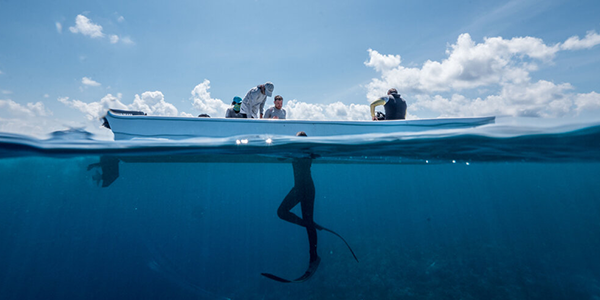
Photo from: www.lamave.org
LAMAVE started in 2010 as a project focused on the marine mammal research expedition in the Bohol Sea. It has since then ventured out into a non-government organization that is dedicated to the conservation of marine megafauna. Their programs include the tagging of Whale Sharks, Turtles, Sharks, Rays, and Stranding Rescue Response among others. LAMAVE has published a number of researches to date including data on conservation, medical treatment of sea turtles, and how ecotourism can change community attitude towards conservation. The organization’s office is located at Jagna, Bohol.
Save Philippine Seas (SPS) – https://www.savephilippineseas.org/
Photo from www.savephilippineseas.org
With an aim to conserve coastal and marine resources in the Philippines through the empowerment of people for collective action and behavior change, Save Philippine Seas aptly call themselves “seatizens” as a reminder that we are citizens of the sea. What began as a social media campaign in 2011 now boomed as a non-profit organization working on environmental education, waste management, and shark conservation. SPS does not have any physical office, but has passionate volunteers and employees that care and actively protect the Philippine marine resources.
Marine Wildlife Watch of the Philippines – https://mwwphilippines.org/
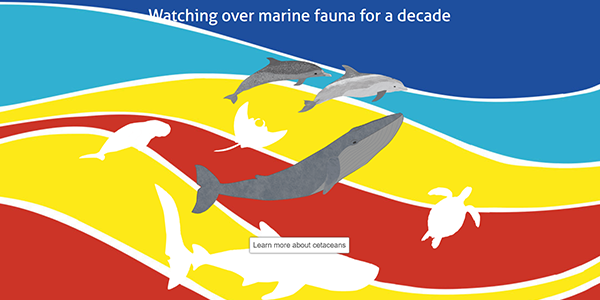
Photo from https://mwwphilippines.org/
For the past 13 years, the Marine Wildlife Watch of the Philippines has been operating to support the conservation and protection of marine wildlife species and habitats in the Philippines. The non-profit and non-stock organization partners with government agencies and private companies to create projects that are developed for a better understanding of the marine environment, especially towards the Endangered, Threatened, and Protected Marine Wildlife, as our actions affect marine life, and vice versa. Activities such as awareness raising campaigns, training, research and consultation works, are some of the activities that MWWP does. Similar to other organizations, MWWP does not have a full-time staff, but has a passionate core team and volunteers with their hearts working together to create a marine wildlife-friendly lifestyle.
Marine Conservation Philippines (MCP)- https://www.marineconservationphilippines.org/
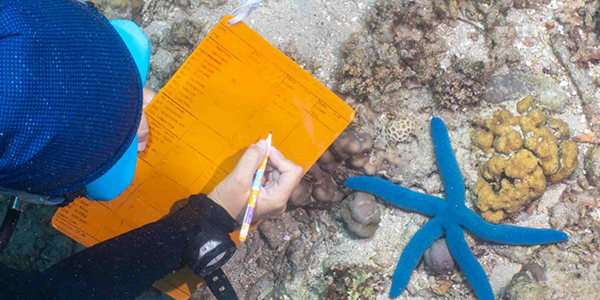
Photo from MCP’s Facebook page
A non-government organization aimed to preserve and protect coastal resources in the Philippines, Marine Conservation Philippines has several projects geared towards education, volunteerism, and research. Some of their completed projects included a baseline survey on the monitoring of Zamboanguita, Dauin, and Siaton, Negros Oriental, and an assessment of a Marine Protected Area in Bais, Negros Oriental. They also conduct an internship where you can become a divemaster and take part in their diving activities that are centered on conservation efforts, all while learning about marine science. MCP is based in Zamboanguita, Negros Oriental.
Pure Oceans – https://www.pureoceans.co/
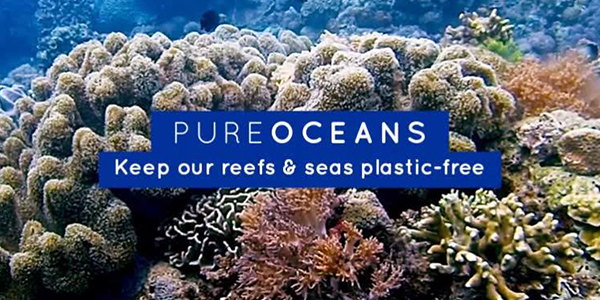
Photo from Pure Ocean’s Facebook page
Unlike other marine conservation organizations aforementioned, Pure Oceans is a social enterprise working on marine plastic litter in the Verde Island Passage of the Coral Triangle in the Philippines. They aim to divert coastal plastic waste into the circular economy through upcycling, waste management, and clean ups. Pure Oceans has a close relationship with the community it serves– they capacitate the community to learn upcycling plastics into chairs, and to better their ecological solid waste management through the simplification of the Philippine law pertaining to this which they conduct through seminars. Pure Oceans’ main area of focus now is in Tingloy, Batangas.