


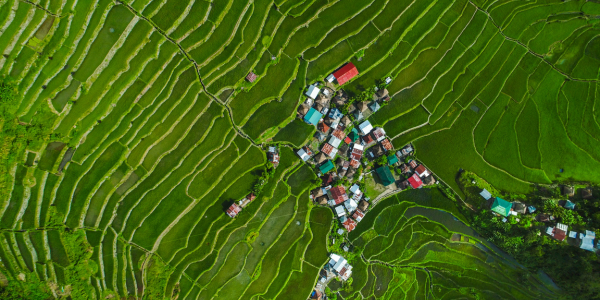
New Year, old ways! We don’t mean that negatively though as we are rather embracing this thought. This January, we will discuss some bits and pieces of the Philippines’ culture and heritage revival, and how Filipinos are trying to keep up with living with the traditions in a modern and fast-paced society.
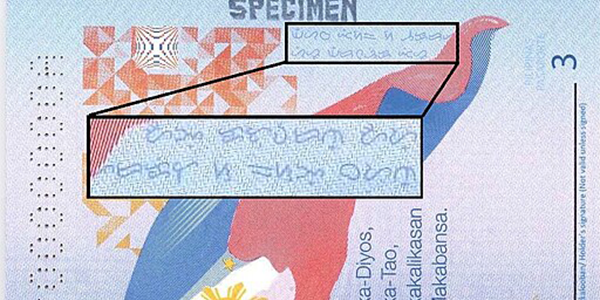
Photo retrieved from Wikimedia Commons
The Baybayin
It is no secret that the Philippines has a vast number of languages and dialects that are spoken and read, which is one of the main indicators of the country’s rich culture. Included in this is the Philippines’s pre-Spanish colonialism writing system called the Baybayin. Literally translated as “to syllabicate” in Filipino, the earliest recorded printed literature is entitled, “Doctrina Cristiana, ” which is a book of prayers that served as a collection for faith, culture, and language. In recent times, the Baybayin is revived or is used through Philippine business brandings, various visual art forms, and sometimes, in government records.
Built Heritages
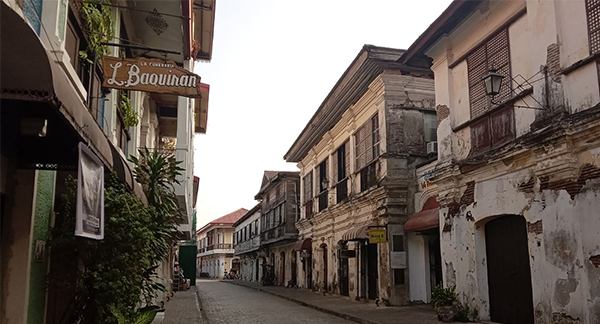
It is said that architecture reflects a nation’s response to progress and the aspirations of its people. Just like how most in life continues to evolve, the emergence of new technologies compels us to adapt to new ways of living. But as essential parts of one’s culture, movements on the preservation of heritage structures are being made. While always under the threat of being demolished, conversators are now more vocal in pushing for important architectural structures in the Philippines to be continuously upkept. Walking tours are also regularly made around heritage sites to provide more awareness to people which will allow more individuals to root for the conservation of such.
Heirloom Weaving
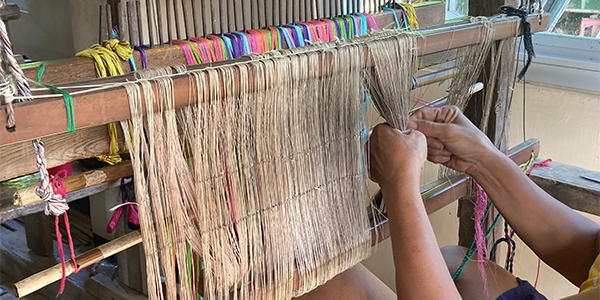
Usually known as the traditional costumes of tribesmen and women in the Philippines, weaved textiles are nowadays given new meaning as various local fashion designers and brands use such textiles not only for the people’s awareness of this beautiful craft, but to also aid the tradition that some communities consider as a dying artisanal craft. This fashion heritage is slowly being weaved into the everyday wear of people, as businesses and people of influence try to market ready-to-wear pieces that one might wear casually or for work.
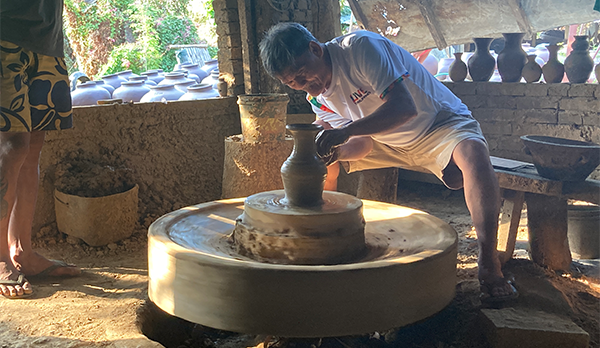
Pottery
A renowned handicraft product of the Philippines, pottery is best well-visited in the northern parts of the Philippines. The pottery techniques have been passed down through generations, ensuring that the meticulous art of kneading, molding, and baking are being continued. While people may visit the factory sites for tours and can still make their own jars to be fired in the kiln, there are less producers and manufacturers of this craft. Nowadays, the factories are able to sustain their businesses and tradition through such tours, and as commissioned by other businesses or people or through pottery workshops that are a hit among the younger generations.
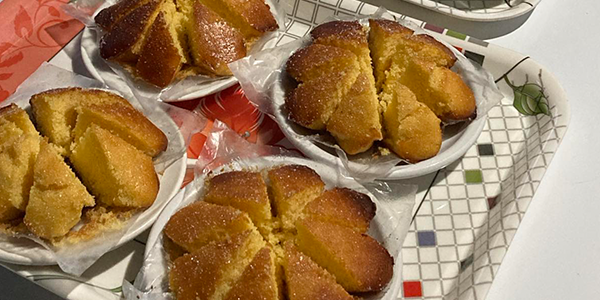
Torta Pastry
A visit to a destination is not complete without a taste of their delicacies. Apart from the sticky rice delicacies of the country, pastries are also alternative snacks that are worth-sharing (or even bringing home as souvenirs!) to your family and friends. A pastry we would like to share is Torta– a sponge cake type of small cake that is surely fulfilling to the tummy. Best served in the afternoon and paired with a tsokolate (hot chocolate) and kwentuhan (story-telling) , the Torta is mostly available in the Visayas region of the Philippines. Makers of this pastry prides themselves with the traditional way of cooking such as the manual mixing of ingredients, and packaging.