


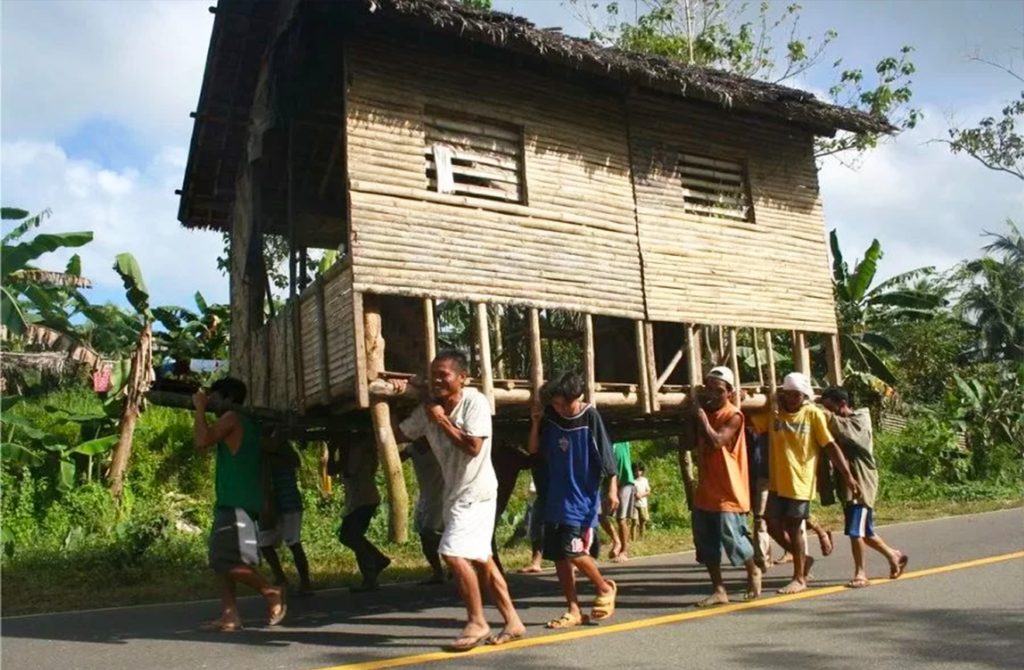
Header photo: Bayanihan
Retrieved from Makeyourasia.com
Ah, the Filipino culture, we might be familiar with some of it– the lips as a pointer, word or name reduplications (e.g. Lot-Lot, Gigi, Kwek-Kwek, Bilo-bilo), and eating with bare hands. But what about the country’s cultural etiquette? Have you wondered why Filipinos do such? Read more below:
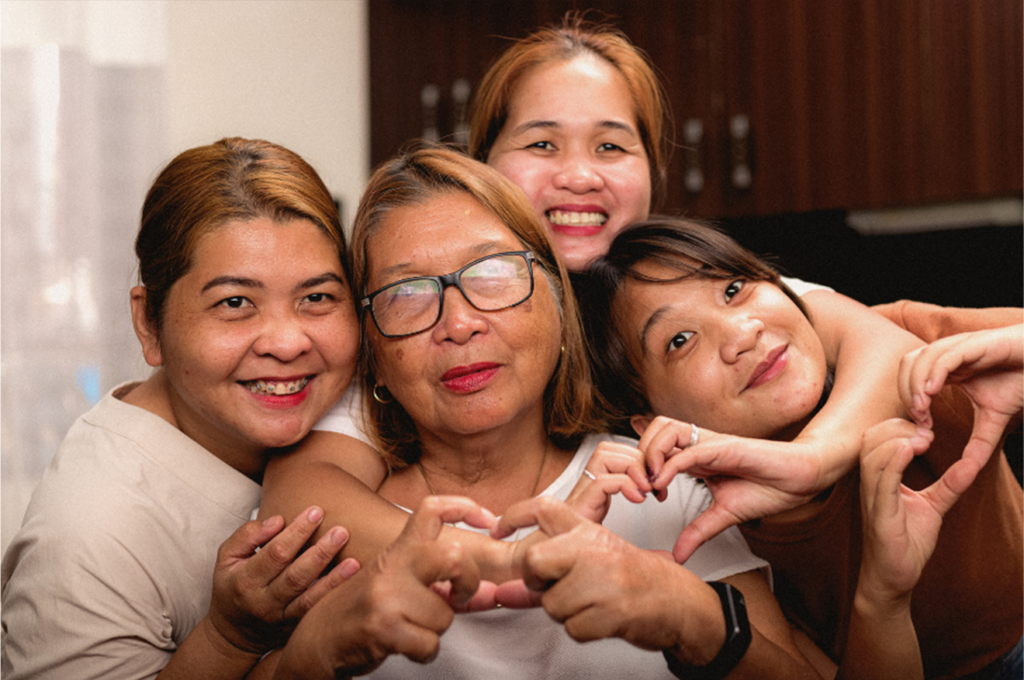
Family First
The Filipino is big on family, and where best did we learn these etiquettes other than our families? Some may consider that family ties are the center of Filipino culture, where family is always a first and a priority. Filipinos even have the concept of extended families, where aunts and uncles houses live close to each other, and it won’t be a surprise if one has an immeasurable number of aunties. The close family ties of the Filipinos can also be seen as the root of the Filipino’s hospitality– so don’t be surprised if you get invited and are suddenly part of the family! Just don’t forget to bring a small gift as the locals consider it polite to bring your share of handa or food when visiting another home.
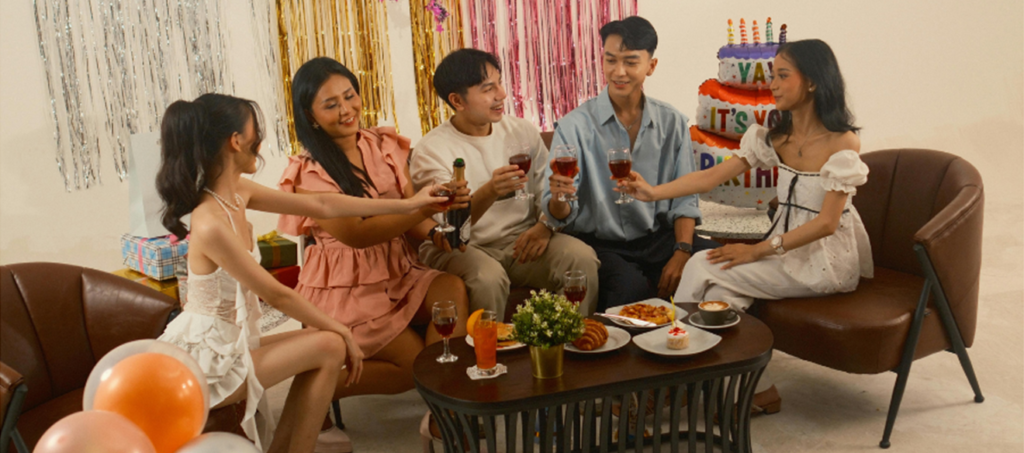
Filipino Celebrations
It is no secret that Filipinos love to eat, and no occasion is too small for a celebration, that’s why the country also has lots of fiestas. If possible, a person can eat 5 times a day– breakfast, AM Snack, Lunch, PM Snack, and Dinner. Eating, for the Filipinos, is also a central part of their social lives. A few notes to keep if you get invited to eat out with Filipinos: (1) Wait for the host to announce that everyone can start eating, as one might be considered rude or a glutton if someone grabs food without the host’s permission, (2) Eating with bare hands is completely normal especially for boodle types of gatherings, and (3) It is considered rude to have your elbows on the table and to lean on one’s arms during dinner, (4) When eating, and a Filipino sees someone, they will always say “Kain!” which means “Let’s Eat!” which doesn’t necessarily mean that they will share their food; they are just being polite.
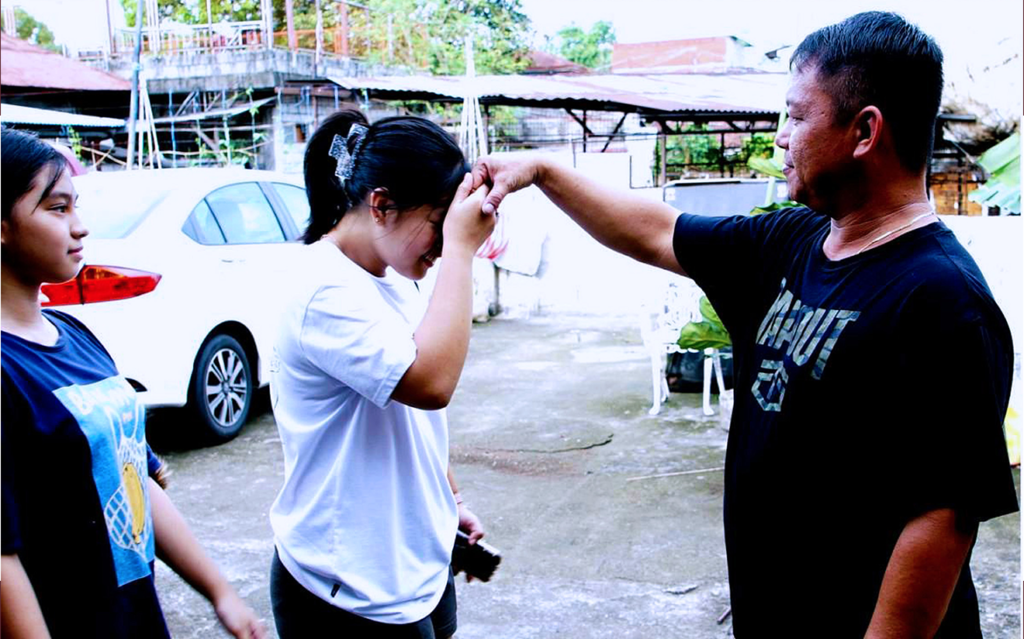
Photo retrieved from Philippine News Agency
Respect for the Elderly
Filipinos will more or less show respect to another person especially if it’s the elderly. If you have heard a Filipino address someone older or if they are being polite to another, they usually add “po” at the end of the sentences to indicate respect, and “opo” as a polite term for “oo” which means yes. Also, like many Asian cultures, Filipinos practice filial piety through pagmamano, a gesture of respect in which younger people touch an elder’s hand to their forehead. This long-standing tradition helps preserve strong family bonds and mutual respect across generations.
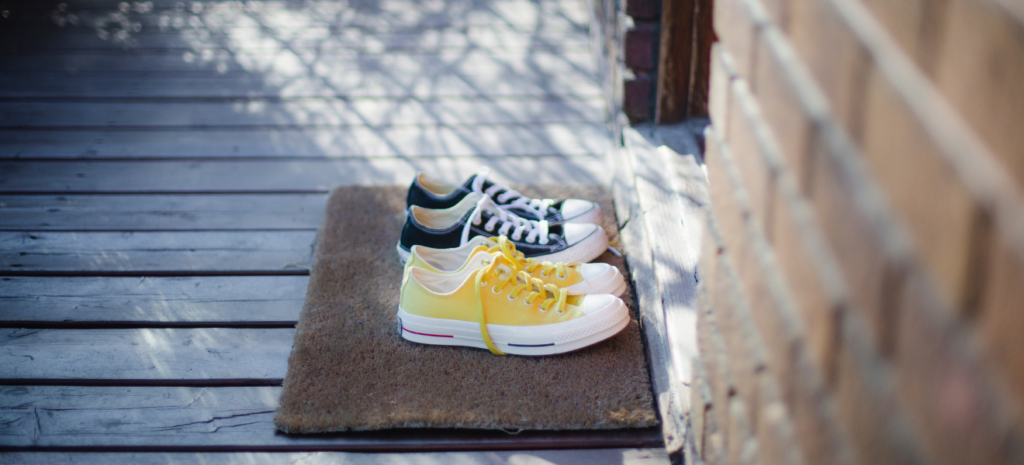
Leaving shoes outside the door or on a shoe holder
Leaving shoes outside or on a shoe holder is quite common in Asian households, and it is usually for practical reasons–no one would want the outside dirt to follow them inside the house. This also shows that one respects the house that they are entering. Only when the home owner tells you that you can bring your shoes inside should you bring it inside; some houses have guest slippers prepared.
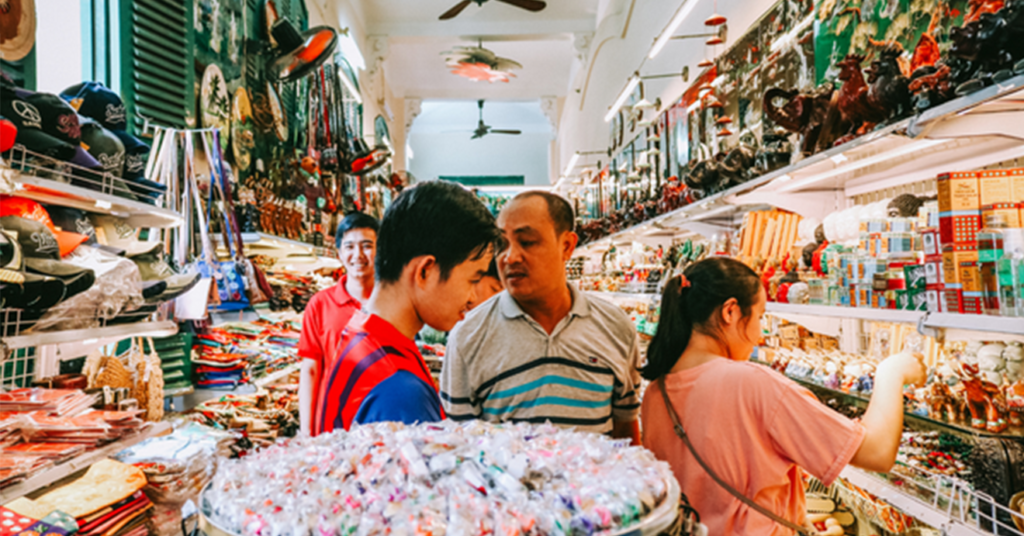
Photo retrieved from Moneymax.ph
Haggling or Bargaining at markets aka the Tawad Culture
It is acceptable to haggle or to ask for a bargain price on markets and on stores on the streets, although sometimes you have to gauge with the kind of store; if the store features local artisans or if the store is for a cause or a fund raiser, then you might consider paying the full price. The key to haggling in the Philppines? If say, an item is worth PHP 100 and consider it expensive, you can ask for it to be PHP 80 instead, if the vendor says it’s too low to have an ROI, ask again if you can have it for PHP 85 or PHP 90, and they might give in. It is right to feel that an item may be priced too much for its worth, hence, we bargain, but we should also consider the profit that storeowners may have from the transaction.