


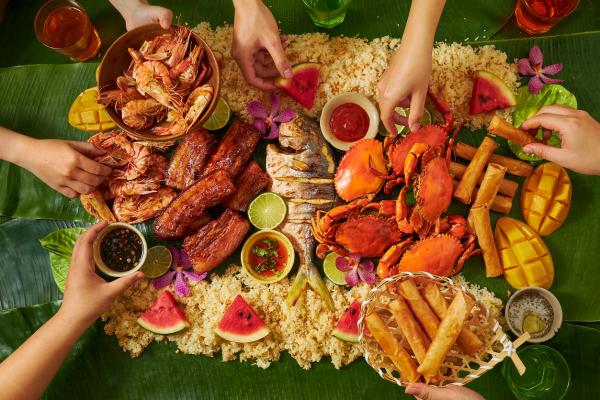
Kain tayo! (Let’s eat!)
This April, we celebrate Filipino Food Month! It is no secret that Filipinos love to eat, and believe us or not, apart from the stunning beach destinations of the Philippines, the gastronomic experience is also one of the things that make tourists go back to the country. We know you’ve heard of Balut, Sinigang, and Adobo, so this month, we feature some of the underrated Filipino dishes and dessert that will surely add up to your Philippine bucket list.
La Paz Batchoy

Famously originating from La Paz in Iloilo, La Paz Batchoy is a type of noodle soup made with beef or pork bones stock, egg noodles, pork offal, and crushed chicharon. Although instant Batchoys are available in the market, nothing beats a good ‘ol freshly made comforting bowl of this soup especially during the colder season in the Philippines.
Laing
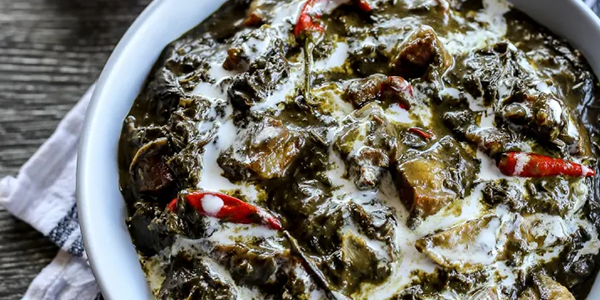
Photo retrieved from angsarap.net
Laing is derived from the recipe of the Bicolanos called pinangat. In the Bicol Region, the people use fresh taro leaves or natong in the local dialect, while in the Tagalog region, most people use shredded taro leaves. Both versions also have different cooking preparations, albeit equally good in taste. Laing and Pinangat are both made with coconut milk, chili peppers, and pork belly, and are cooked in a slow or gentle simmer. A word of caution though: Laing can literally tickle your taste buds, make sure that the leaves were dried in the sun, washed and cooked thoroughly, as the leaves may cause an itchy or burning sensation in the mouth due to it being high in calcium oxalate.
Pinakbet
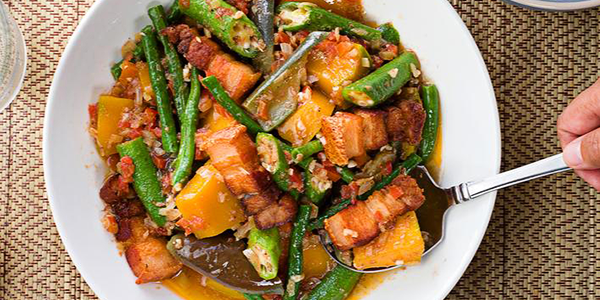
Photo retrieved from maggi.ph
Pinakbet is a commonly served food in the Philippines especially in eateries and in households. We say that this dish is underrated due to its commonality which makes it overlooked, as compared to Sinigang or Adobo. This humble dish is a type of vegetable stew which originated from the Ilocos region. It is usually prepared with indigenous produce, beans, root crops, and a variety of vegetables such as bitter gourd, sweet potato, eggplant, tomatoes, ginger, and many more. Depending on the region where Pinakbet is prepared, some may be cooked with shrimp paste instead of fish paste, and added with squash for variation.
Morcon

Photo retrieved from lifegetsbetter.ph
Originating from Spain as one of their influences to the Philippines, Morcon has since then been a Filipino staple especially during the December and New Year holidays. Much like the Filipino-style spaghetti, Morcon is also a dish introduced to the country but the people certainly made its preparation and taste to suit their liking. The Filipino roulade is stuffed with sausages or hot dogs, carrots, egg, and cheese. The covering beef rolls are first prepared with a braising liquid of stock and tomato sauce and then cooked slowly and tender with its stuffings. The dish is then served with a thick sauce which is usually some bit of the marinade, liver spread, or just plain gravy.
Ginataang Bilo-bilo
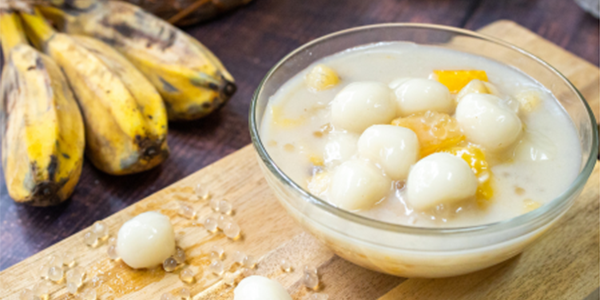
Usually prepared as an afternoon snack or dessert, Ginataang Bilo-Bilo or Glutinous Rice in Coconut Cream, is a said to be a simpler version of Ginataang Halo-halo because of its minimal ingredients composed of mini tapioca pearls, glutinous rice balls, jackfruit strips, and sweetened coconut cream. This snack is quite easy to prepare as you just need to bring the coconut sauce and the glutinous rice flour together into a gentle simmer.
Lomi

Although Chinese in origin, Lomi is a type of noodle soup made with thick egg noodles, vegetables, chicken meat and liver that has varied all throughout the years, with the Lomi in Batangas being the most popular one. The dish is available in a lot of restaurants and eateries in Batangas, and some consider it a quest to find the best one in the province. An optional topping of crushed chicharon or fried pork belly may be added when serving.
Chicken Pastil
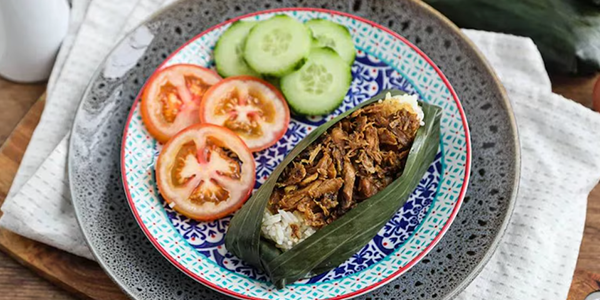
Photo retrieved from knorr.com
Chicken Pastil, not to be confused with Chicken Pastel which is a creamy chicken dish, is a shredded chicken dish wrapped in banana leaves with steamed rice. Quite akin to Adobo Flakes, the dish is popular in Muslim households in Mindanao, which are dried chicken shreds in turmeric powder. The dish is best served with slices of cucumber and/or tomato for that added crunch, and a spicy condiment for that added kick.